Boosting Security in Education Role of Two Factor
IDME KPM Security in Education Role of Two Factor security has become a crucial aspect of various sectors, especially in education. With the rapid advancement of technology, educational institutions face an increasing number of cyber threats, making it imperative to adopt robust security measures.
One such measure is Two-Factor Authentication (2FA), which has proven to be an effective way of enhancing security. In Malaysia, the Ministry of Education (KPM) has implemented the Integrated Digital Management and Education System (IDME) to streamline and improve the management of education services. The inclusion of 2FA in this system plays a key role in boosting its security, ensuring that sensitive data is protected from unauthorized access.
The Importance of 2FA in IDME KPM
Bagaimana IDME KPM Menyesuaikan Akses untuk Guru Pelajar (2FA) is a security process that requires users to provide two different forms of verification before accessing an account or system. This adds an additional layer of protection, making it more difficult for cybercriminals to gain access, even if they have the password. The first factor is typically something the user knows, like a password, and the second factor is something the user has, such as a smartphone to receive a verification code.
In the context of IDME KPM, 2FA helps safeguard the personal and educational data of students, teachers, and administrative staff. The system houses a large amount of sensitive information, from academic records to financial details, which could be a target for malicious attacks. With the implementation of 2FA, KPM has ensured that unauthorized individuals are less likely to access this sensitive data, thus preventing identity theft, fraud, and data breaches.
How 2FA Works in IDME KPM
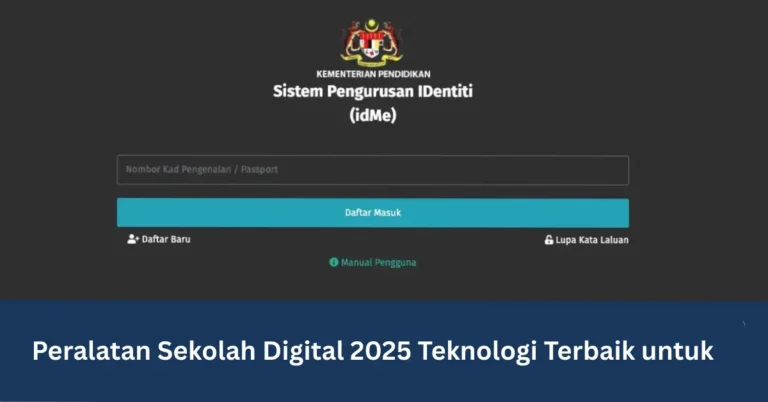
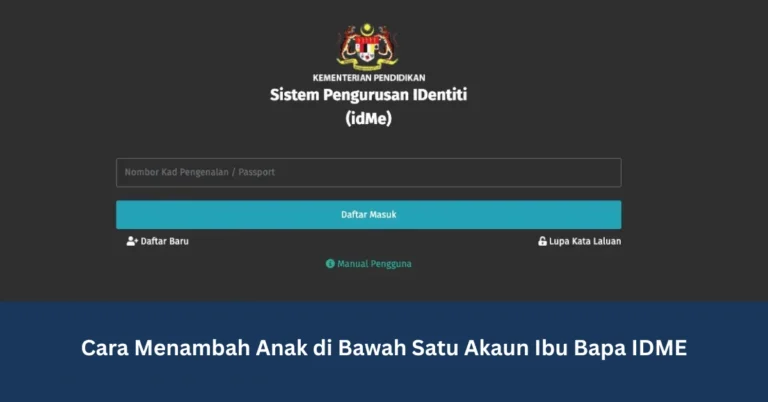
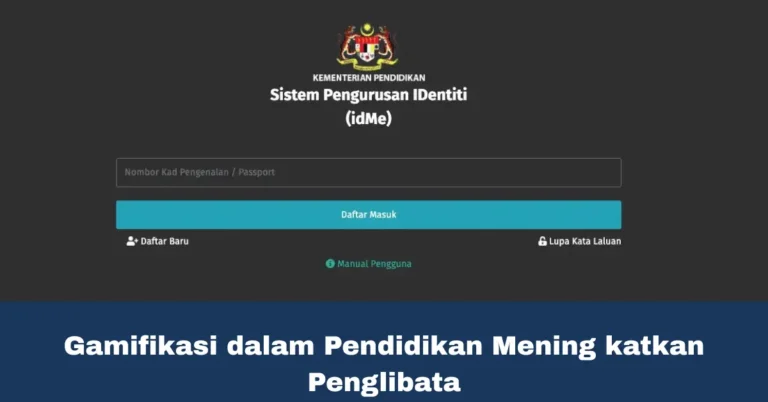
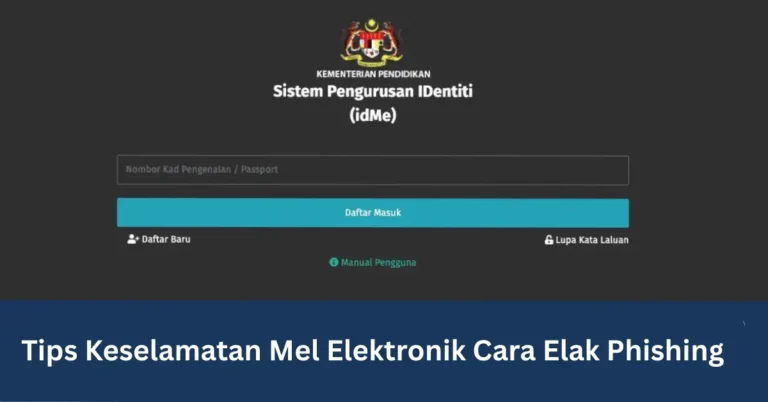
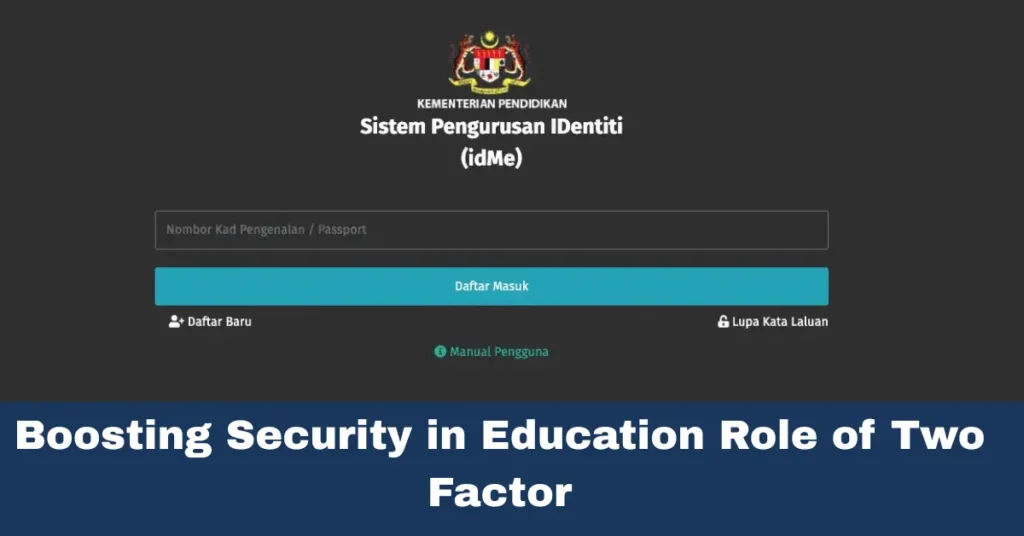
The integration of 2FA in IDME KPM operates seamlessly with the system’s existing login process. After entering a username and password, users are required to verify their identity through a secondary method, usually a One-Time Password (OTP) sent to their registered mobile number or email address. This OTP is valid for a short period, typically a few minutes, adding an extra layer of security that prevents unauthorized access, even if a password has been compromised.
Moreover, 2FA reduces the likelihood of phishing attacks, where attackers try to steal users’ login credentials by tricking them into revealing their passwords. Since 2FA requires a second form of authentication, phishing attempts are less likely to succeed, as the attacker would need more than just the user’s password to gain access.
Benefits of 2FA in IDME KPM
The implementation of 2FA within IDME KPM offers numerous benefits. Firstly, it strengthens the overall security of the system, making it more difficult for cybercriminals to compromise user accounts. It also enhances user confidence, as both students and educators can feel assured that their personal and educational data is well-protected. With the increasing number of cyber threats, having an extra layer of security is essential for preventing data breaches and protecting the integrity of the educational system.
Secondly, 2FA helps to comply with data protection regulations and policies. The Malaysian government has set up laws to ensure the protection of personal data, and by adopting 2FA, KPM adheres to these guidelines. This proactive approach to data protection helps to maintain the trust of users, as they know their information is secure and being handled in accordance with legal requirements.
Despite its many benefits, there are some challenges associated with the implementation of 2FA in IDME KPM. For instance, not all users may be familiar with the process, particularly older educators or those with limited access to technology. Additionally, there may be concerns about the potential inconvenience of receiving OTPs or using authentication apps regularly.
To address these concerns, KPM could consider providing training sessions or guides for users, ensuring that everyone is comfortable with the process. Furthermore, offering multiple options for secondary authentication—such as SMS, email, or authenticator apps—can make the process more accessible and flexible for different users.
Soalan Lazim
Kesimpulan
Two-Factor Authentication (2FA) plays a crucial role in boosting the security of the IDME KPM system. As education continues to evolve with technology, it is essential to safeguard the sensitive data of students, teachers, and staff from cyber threats. 2FA offers an effective solution by ensuring that only authorized users can access the system, thereby preventing potential breaches and fostering a safer digital environment in education.
While there are challenges in the adoption of 2FA, the benefits far outweigh the inconveniences. As the Ministry of Education continues to prioritize digital transformation, 2FA will undoubtedly remain a key component in securing educational systems, ensuring that everyone’s data is kept safe and secure in the digital age.